brachiosaurus

Brachiosaurus

Brachiosaurus Brachiosaurus is a genus of sauropod dinosaur that lived in North America during the Late Jurassic, about 154153 million years ago. It was first described by American paleontologist Elmer S. Riggs in 1903 from fossils found in the Colorado River valley in western Colorado, United States. Short Brachiosaurus Facts Their names mean arm lizards []

Continue Reading
Deinocheirus

Deinocheirus

Deinocheirus Deinocheirus is a genus of large ornithomimosaur that lived during the Late Cretaceous around 70 million years ago. The first knownfossil remains ofDeinocheiruswere discovered by Polish palaeontologistZofia Kielan-Jaworowskaon July 9, 1965 in the Nemegt Formation of Mongolia. In 1970, this specimen became the holotype of the only species within the genus, Deinocheirus mirificus; the []

Continue Reading
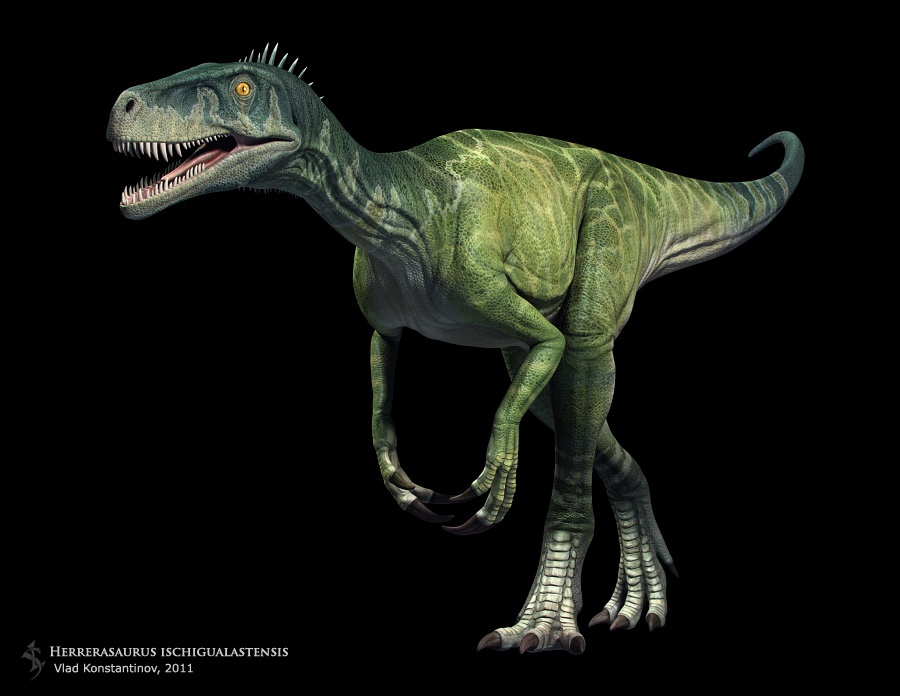
Herrerasaurus by Vlad Konstantinov

Herrerasaurus

Herrerasaurus was one of the earliest dinosaurs. Its name means Herreras lizard, after the rancher who discovered the first specimen in 1958 in South America. All known fossils of this carnivore have been discovered in the Ischigualasto Formation of Carnian age (late Triassic according to the ICS, dated to 231.4 million years ago) in northwestern []

Continue Reading
Types of dinosaurs

Types of dinosaurs

Types of dinosaurs There are different ways to group dinosaurs according to different characteristics, but mainly the most interesting way of classifying them is the one that distinguishes between saurischia and ornithischians according to the way the hip of these reptiles was projected. Saurischians were those dinosaurs that had a type of hip known as []

Continue Reading
triceratops

Triceratops

Triceratops Triceratopsis a genus of herbivorous ceratopsid dinosaur that first appeared during the late Maastrichtian stage of the late Cretaceous period, about 68 million years ago in what is now North America. This dinosaur was first discovered near Denver, Colorado in 1887. When it was first discovered it was believed to have been an unusual []

Continue Reading
Saichania

Saichania

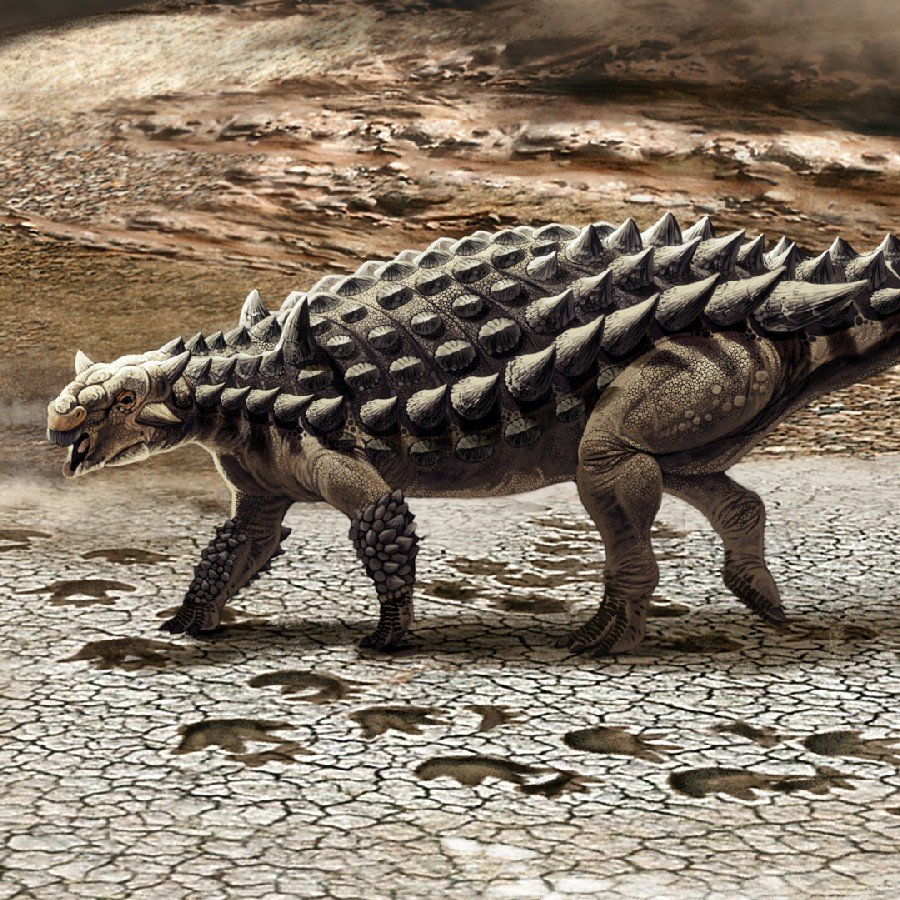
Saichania Saichania(Mongolian meaning beautiful one) is agenusof herbivorous ankylosauriddinosaurfrom theLate Cretaceousperiod ofMongoliaand China. The first fossils ofSaichaniawere found in the early 1970s in Mongolia. In 1977 thetype speciesSaichania chulsanensiswas named. The description of this species has been based on limited fossil material; especially the rear of the animal is not well known. Saichaniawas over five []

Continue Reading
Struthiomimus

Struthiomimus

Struthiomimus Struthiomimus(meaning ostrichmimic, from theGreek stroutheios meaning of the ostrich and mimosmeaning mimic or imitator) is agenusofornithomimid dinosaursfrom thelate CretaceousofNorth America. Ornithomimids were long-legged,bipedal, ostrich-likedinosaurs with toothless beaks. Thetype species,Struthiomimus altus, is one of the more common small dinosaurs found inDinosaur Provincial Park; its abundance suggests that these animals wereherbivoresor omnivores rather than purecarnivores. Quick []

Continue Reading

Procompsognathus

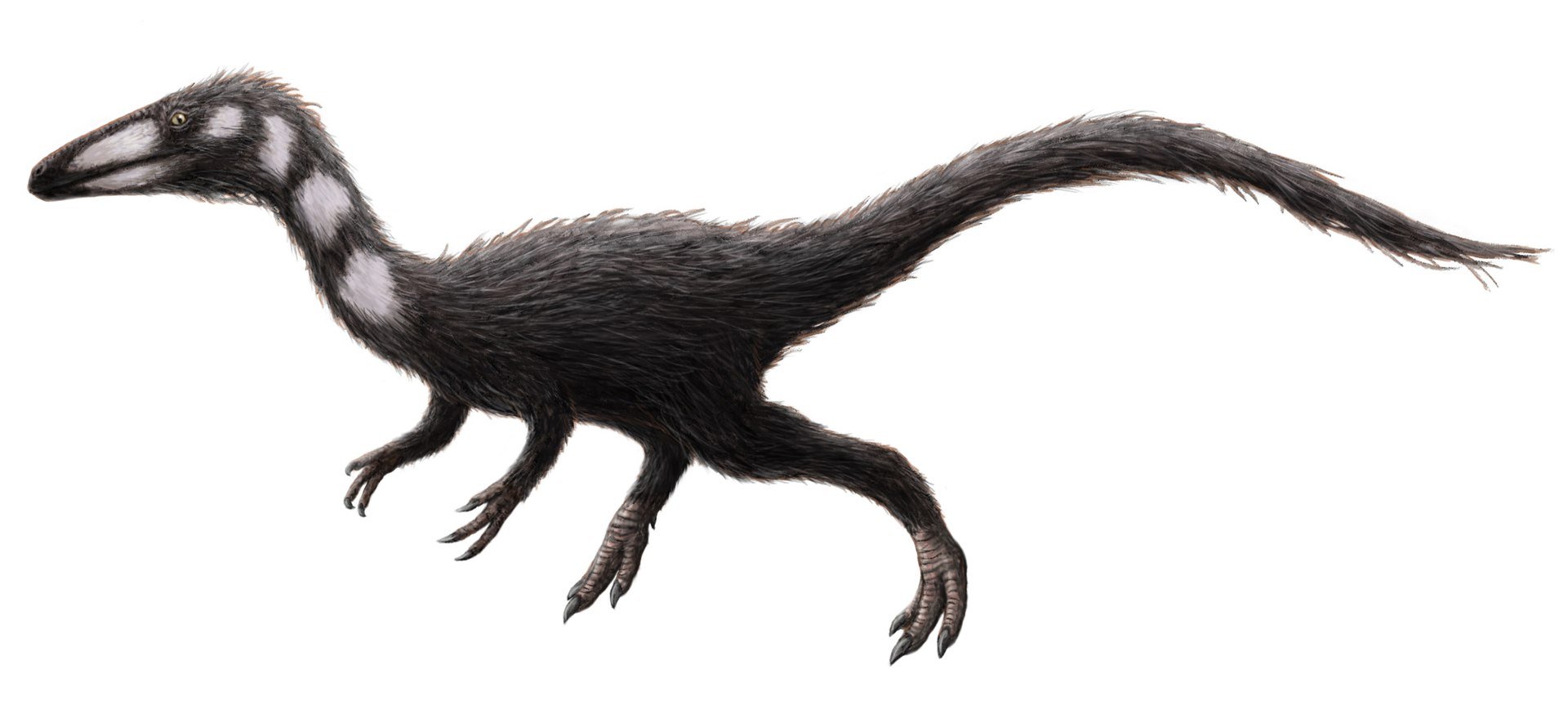
Procompsognathus Procompsognathus/prokmpsns/is anextinctgenusof coelophysidtheropoddinosaurthat lived approximately 210million years agoduring the later part of theTriassicPeriod, in what is nowGermany. Procompsognathuswas a small-sized, lightly built, ground-dwelling, bipedalcarnivore, that could grow up to 1m (3.3ft) long. Quick Procompsognathus Facts Lived in what is now known as Germany Could run as fast as an ostrich Weighed as much as []

Continue Reading
Camptosaurus

Camptosaurus

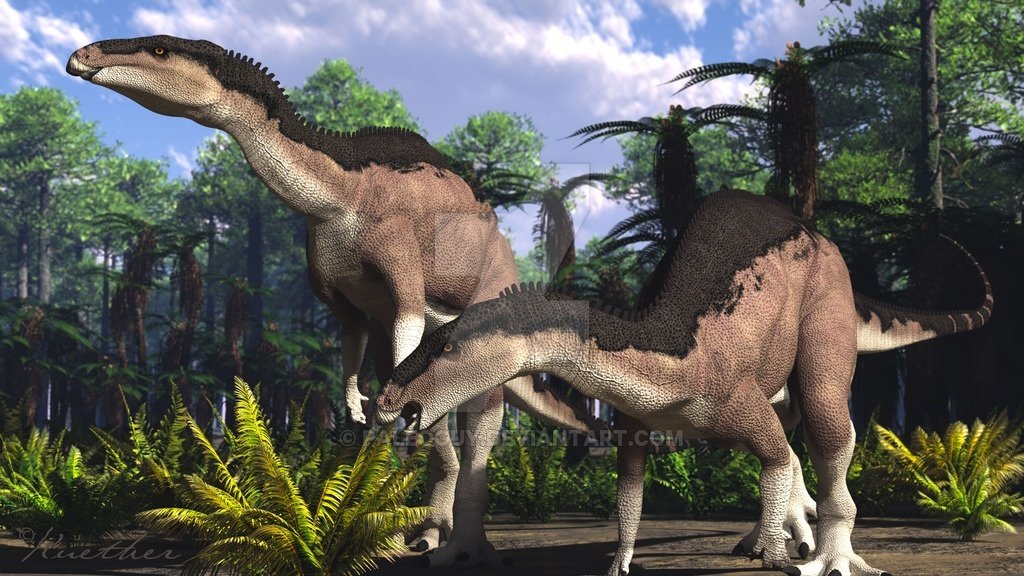
Camptosaurus Camptosaurus is agenusof plant-eating, beakedornithischiandinosaurs of theLate Jurassicperiodof westernNorth America. The name means flexible lizard (Greek (kamptos) meaning bent and (sauros) meaning lizard). Quick Camptosaurus Facts Lived in what is now known as Europe and North America As long as 1/2 the length of a semi-trailer Weighed as much as 2 Grizzly Bears []

Continue Reading